Conveyancing Explained: What Actually Happens Between Offer and Settlement

Your offer has been accepted — now what? Conveyancing is the legal process that transfers ownership from the seller to you, and it is the part of buying property that almost nobody understands until they are in the middle of it. Between offer and settlement there are contracts to review, searches to conduct, finance to finalise, and about a dozen points where things can go sideways if you are not paying attention. This guide walks through every stage in plain English — from engaging a conveyancer and reviewing the contract, through exchange and the cooling-off period, to the property searches that reveal hidden problems, the pre-settlement inspection you should never skip, and what actually happens on settlement day. We cover the critical differences between states, the common mistakes that delay or derail settlement, and why engaging your conveyancer before you sign anything could be the smartest few hundred dollars you ever spend.

Continue reading

First Home Buyer’s Survival Guide: State-by-State Grants and Schemes in 2026

Buying your first home in Australia has never been simple. Between skyrocketing property prices, interest rate uncertainty, and the sheer complexity of government paperwork, it is easy to feel like the system was designed to keep you renting forever. But here is the thing most people get wrong: there is more government support available to first home buyers right now than at any point in the past decade. Queensland is offering a massive $30,000 cash grant, the NT tops it with $50,000, and the new federal Help to Buy scheme lets you purchase with as little as a 2 per cent deposit. The problem is not a lack of help — it is that nobody has explained it properly. Our state-by-state guide breaks down every grant, stamp duty exemption, and scheme available in 2026, shows you how to stack them for maximum savings (one couple saved over $74,000), and flags the traps that catch people out.

Continue reading

Buying Property in Regional Australia: Hidden Gems vs Hype Towns

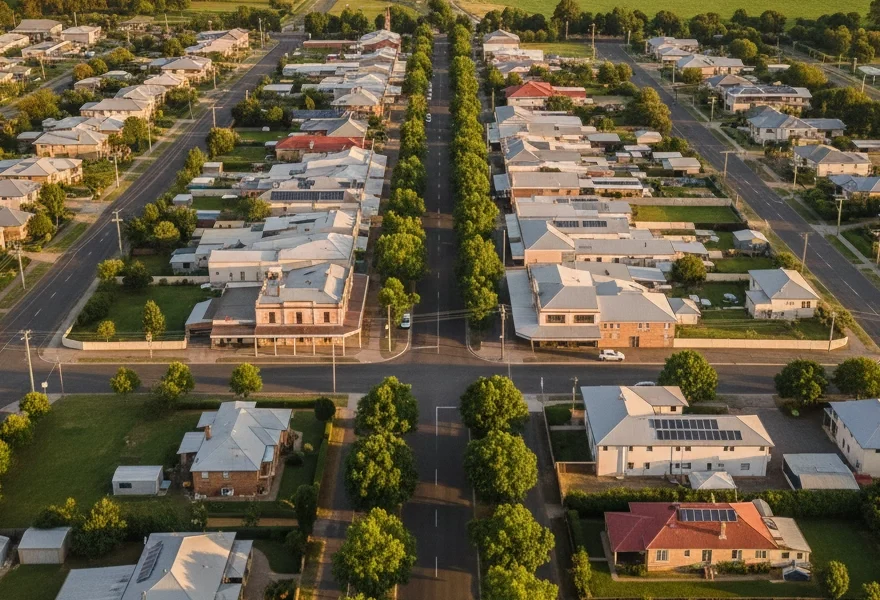
Regional Australia outperformed the capital cities in 2025, with dwelling values growing 7.5 per cent compared to 5.6 per cent in the metros. But averages hide enormous variation — Albany in WA surged 23 per cent while some pandemic darlings have stalled or gone backwards. The difference between a genuine hidden gem and a hype town comes down to fundamentals: diversified employment, infrastructure investment, proximity to a capital city, and connectivity that actually works. This guide breaks down which regional markets have real substance behind their growth numbers, which are running on momentum alone, and the practical realities nobody talks about — from healthcare access and school options to the social reality of joining a small community. We also cover the red flags that signal a town is a one-industry gamble dressed up as a lifestyle haven, and provide a seven-step framework for stress-testing any regional purchase before you commit.

Continue reading

Off-the-Plan Apartments: Smart Investment or Risky Gamble?

Glossy renders, stamp duty savings, and depreciation benefits make off-the-plan apartments look irresistible. But research by UNSW found that up to 85 per cent of apartment buildings constructed since 2000 in NSW contain at least one significant defect, and one Sydney complex saw 84 per cent of bank valuations come in below the contracted sale price at settlement. This guide provides the honest assessment the brochures leave out — from valuation shortfalls and the developer margin problem, to sunset clause traps, construction delays, and the $2 company trick that leaves you with nobody to chase when defects appear. We also cover when off-the-plan can genuinely work, the due diligence checklist every buyer needs, and how to verify a developer’s track record through bodies like the QBCC and Victorian Building Authority before you sign anything.

Continue reading

What Real Estate Agents Won’t Tell You Before Auction Day

The Australian auction system is designed to benefit sellers — and the agents who work for them. From underquoting tactics that lure you in at fantasy prices, to vendor bids that create the illusion of competition, to assisting agents whispering “just one more bid” in your ear, the deck is stacked against buyers who walk in unprepared. This guide breaks down exactly how the game is played — the reserve price manipulation, the emotional pressure tactics, the pre-auction offer traps, and the critical fact that there is no cooling-off period when you buy at auction. We cover what to do before, during, and after the hammer falls so you can bid with confidence and walk away when you need to. And once you do secure a property, getting ahead on logistics makes the weeks between auction and settlement far less stressful — whether you are looking for removalists in Sydney, Melbourne, Brisbane, or Perth, lining up quotes early takes one major headache off your plate.

Continue reading

How to Spot a Lemon: Red Flags at Open Inspections

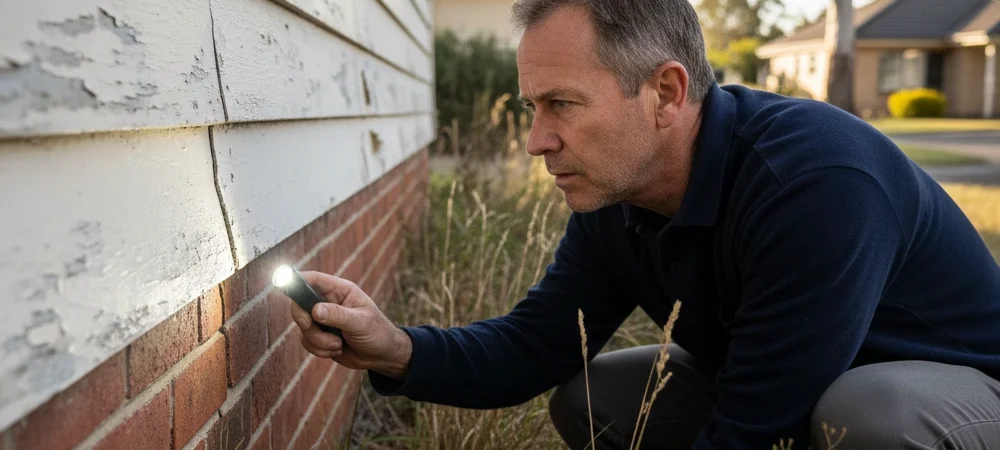
An open inspection is a performance — the lights are on, the coffee is brewing, and everything has been arranged to make you fall in love in under 20 minutes. Your job is to not fall for it. This guide turns you into a more critical buyer by showing you exactly what to look for before you walk through the door and once you are inside: foundation cracks that signal structural movement, water stains that reveal hidden leaks, the door-and-window test that takes 60 seconds and costs nothing, plumbing checks most buyers are too polite to do, and the smells that sellers try to mask with candles and fresh paint. We cover the renovation flip warning signs, the extra checks needed for strata properties, and the questions agents hope you never ask — plus a simple toolkit (including a marble) that will make you better prepared than 90 per cent of buyers in the room.

Continue reading